Schengen 90/180 Rule Explained: Track Your Days in Europe
Understand the Schengen 90/180 day rule, how the rolling window works, and the easiest way to track your days across Europe without overstaying.
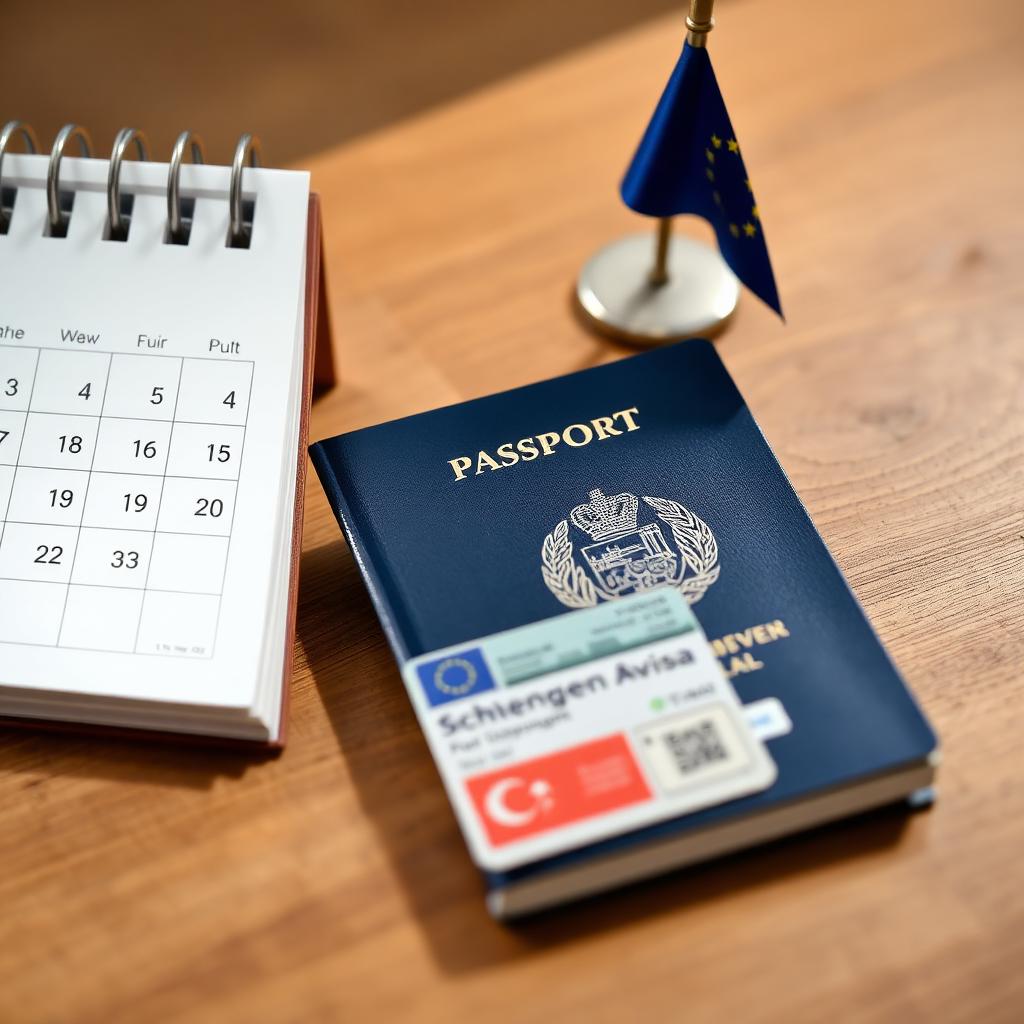
If you travel to Europe on a tourist passport or a short-stay Schengen visa, your time is governed by a single, often misunderstood rule: you may spend a maximum of 90 days inside the Schengen Area within any rolling 180-day period. Overstay by even a day and you risk fines, entry bans, and trouble with future visa applications.
The key word is rolling. The 180-day window is not a fixed calendar block like January to June. On every day you are inside the Schengen Area, border officers look back 180 days from that date and count how many of those days you spent inside. If the total exceeds 90, you are overstaying — even if your previous trip felt like it was 'long ago.'
The Schengen Area currently includes 29 countries, among them France, Germany, Spain, Italy, the Netherlands, Portugal, Greece, Austria, Switzerland, and most of the Nordics. Ireland and Cyprus are EU members but not part of Schengen, so days spent there do not count. The UK is fully outside Schengen. Bulgaria and Romania joined the Schengen Area in 2024 for air and sea borders, so flights into Sofia or Bucharest now count toward your 90 days.
Counting is simple in principle: both your entry day and your exit day count as full days inside, even if you arrive at 11pm or leave at 6am. A trip from June 1 to June 10 uses 10 days, not 9. Transit through a Schengen airport on the way to a non-Schengen destination usually does not count if you stay airside, but as soon as you clear immigration the clock starts.
A practical example: you spend 60 days in Spain from March 1 to April 29, leave Europe for two weeks, then return on May 14. On May 14 the previous 180 days include all 60 Spanish days, so you have only 30 days left before you must exit. If you stay until June 12 you have used your full 90 — and you cannot re-enter until enough old days roll out of the 180-day window to free up space.
The most common mistakes are assuming the counter resets when you leave Schengen, mixing up Schengen days with national visa days (a French long-stay visa is separate from your 90/180 allowance), and forgetting that short weekend trips still consume days. The official European Commission short-stay calculator is the source of truth, but checking it manually every trip is tedious and error-prone.
The reliable fix is to log every Schengen entry and exit the moment it happens — country, entry date, exit date, and the flight or border crossing you used. With a clean record, calculating remaining days is a 10-second lookup instead of a weekend of digging through boarding passes.
TripoWay was built for exactly this. Add each Schengen trip with its dates and flights, and your travel history becomes a permanent record you can hand to a consulate, a border officer, or just your future self — without ever wondering whether that long weekend in Lisbon last autumn might push you over the limit.
Want to check your own Schengen days right now? Use TripoWay's built-in Schengen 90/180-Day Rule Visa Calculator to see how many days you've used, how many you have left, and when your rolling window resets.
Check your Schengen days
Plug in your recent Europe trips and see exactly where you stand against the 90/180 rule.
Get insured before you fly
Medical costs, trip delays and cancellations are exactly what travel insurance is for — and a quote takes about a minute.
Affiliate links — we may earn a commission at no extra cost to you.
Keep reading
- Do You Need Travel History for a Visa Application?
Which visa applications ask for your travel history, how many years you need to declare, and how to compile exact entry and exit dates without guessing.
- Visa Prep Made Easy with a Travel Itinerary Scanner
See how a boarding pass scanner builds your complete travel itinerary automatically, so visa prep takes minutes instead of weeks of digging through old emails.
- What Is the TripoWay Sample Travel Report?
Download a free sample travel report and see how a self-reported trip log can support your visa, residency, or citizenship application.