Travel History Tips for International Students
Travel history tips for international students: track study-abroad trips, home visits, and absences needed for permits, visas, and residency applications.
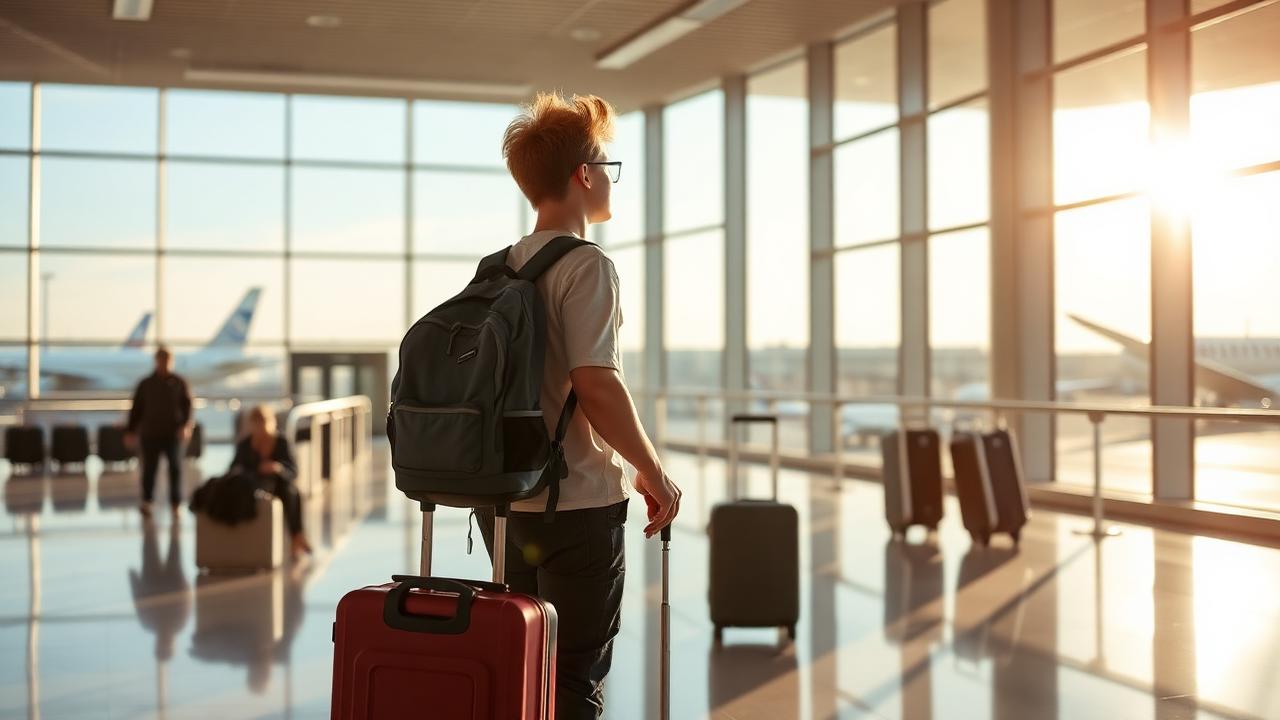
International students move more than most people realize: term-time abroad, summer trips home, conferences, internships, and the occasional weekend escape. Without a travel history tracker, this turns into a paperwork nightmare the first time a post-study work visa or graduate school application asks for a complete timeline.
Start the habit early. Log every flight in and out of your study country, every visit home, and any trips taken during the program. Note the visa or permit you used to enter each time — student visa, tourist visa, residence permit — because immigration officers care about the legal basis, not just the dates.
Keep digital copies of your visas, I-20 or CAS letters, and any travel signatures alongside your trip log. When a future application asks for ten years of history, you'll be exporting data rather than rebuilding it from scratch.
TripoWay is free for students to start using and grows with you — from your first semester abroad to your first post-graduation visa.
Keep reading
- How to Read Your Passport Stamps (and Decode Faded Entry Dates)
Faded ink, cryptic port codes, upside-down dates — here's how to decode passport stamps and recover the entry and exit dates visa forms ask for.
- How to Track Your Travel History and Find Every Past Trip
Recover past trips from passport stamps and booking emails, build a travel-history log with entry and exit dates, and check missing dates without guessing.
- The 72-Hour Pre-Flight Checklist: Visas, Apps & Airport Buffers
What to do 72, 24 and 3 hours before an international flight — e-visas, arrival forms, offline documents and the airport buffer that keeps trips calm.