
Top 7 Destination Dupes for 2026: Luxury Views, Backpacker Budget
Seven affordable destination dupes for 2026 — cheaper alternatives to the Amalfi Coast, Santorini, Tokyo and Barcelona, plus how to budget and log every trip.
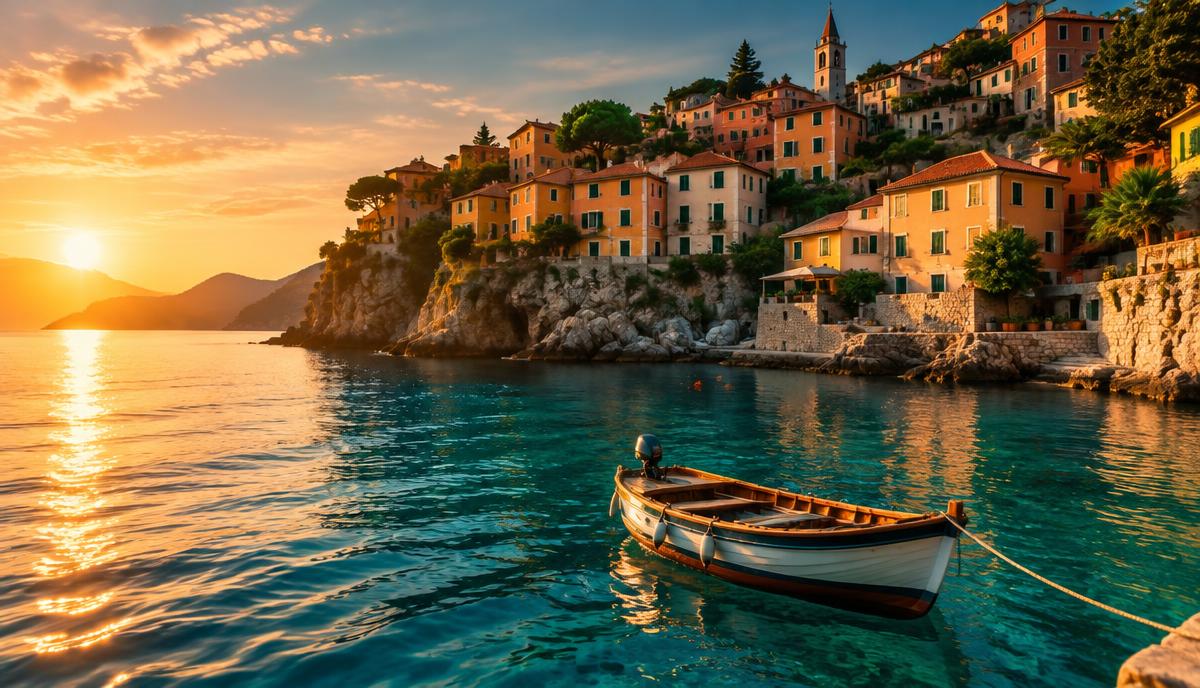
A destination dupe is a place that gives you the same look, weather and atmosphere as a famous destination, for a fraction of the price and with a fraction of the crowds. The idea took off because the classics stopped being fun: the Amalfi Coast in July is a traffic jam with a sea view, and Santorini's sunset spot is now a queue. Meanwhile, a two-hour flight away, the same turquoise water and pastel houses cost half as much and nobody is blocking the shot.
What Is a Destination Dupe?
Dupes are not compromises. They are usually the less-marketed neighbour of a famous place, sharing the same coastline, mountain range, food culture or architectural style — but without decades of tour-bus infrastructure priced into every espresso. The saving usually shows up in three places: accommodation, restaurants and paid attractions. Flights are often similar, so the further you spread your days, the more you save.
The 7 Best Destination Dupes for 2026
**1. Albanian Riviera instead of the Amalfi Coast.** Ksamil and Dhërmi deliver the same clear Ionian water and cliffside villages that make Positano famous, at roughly a third of the nightly rate. Coming from Corfu by ferry is often cheaper than flying into Naples.
**2. Slovenia instead of Switzerland or Lake Como.** Lake Bohinj and Lake Bled give you alpine peaks reflected in glass-still water, and Ljubljana is one of Europe's most walkable capitals. Public transport, food and guesthouses cost a fraction of Swiss prices.
**3. Montenegro instead of Dubrovnik.** The Bay of Kotor has the same walled old town, terracotta roofs and fortress stairs as Dubrovnik, minus the cruise-ship crush and the Game of Thrones markup.
**4. Krakow instead of Prague or Vienna.** A UNESCO-listed old town, a serious café culture, and some of the best-value restaurants in Europe. Prague prices have climbed for a decade; Krakow has not caught up.
**5. Busan instead of Tokyo.** Beaches, mountains, temples and a huge food scene, with cheaper accommodation than Tokyo and a slower pace. Korea's rail network makes it easy to combine with Seoul.
**6. Valencia instead of Barcelona.** The same Mediterranean beach-and-modernism combination, a world-class food market, and rent and restaurant prices well below Barcelona's — plus far less pressure on locals from over-tourism.
**7. Oaxaca instead of Tulum.** Tulum has become one of Mexico's most expensive destinations. Oaxaca offers extraordinary food, craft markets and colonial streets at genuinely local prices, with day trips to Hierve el Agua for the swimming-pool-in-the-sky photos.
How Much Can You Actually Save?
On a ten-day trip, swapping one high-demand destination for its dupe typically saves the most on accommodation — often 40 to 60 percent per night — with meals and attractions adding another meaningful chunk. The honest caveat is flights: a dupe with only seasonal flight routes can wipe out the savings, so always price the whole trip, not just the hotel.
How to Plan a Dupe Trip Without Blowing the Budget
Pick the vibe first (turquoise water, alpine lakes, old-town streets, street food), then search for the region that delivers it cheapest in your travel month. Travel in shoulder season — May to early June, or September — when weather is still good and prices drop. Book trains and ferries directly rather than through resellers. And set a per-trip budget before you go, then track what you actually spend against it.
That last part is where most dupe trips quietly fail. It is easy to save on the flight and then lose the savings to daily spending you never tallied. In TripoWay you can set a budget for each trip and log what you spend as you go, so you can see at a glance whether the cheaper destination stayed cheaper. Scan a boarding pass or paste your booking email and the trip, dates and route are created for you — no manual typing.
Keep a Record of Every Dupe You Discover
The other reason to log these trips is practical: as soon as you start country-hopping around Europe, your Schengen days matter. Seven days in Albania do not count toward the Schengen limit, but a week in Slovenia does — and a visa officer will one day ask for exact dates. Keeping a clean trip log as you travel means never reconstructing a year of hops from old photos.
Book smart, spend deliberately, and your 2026 trip can look like the postcard destination while costing closer to a long weekend at home.
Frequently asked questions
- What is a destination dupe?
- A destination dupe is a less-visited place that offers a similar landscape, architecture or atmosphere to a famous destination at a significantly lower cost and with fewer crowds — for example the Albanian Riviera in place of the Amalfi Coast.
- What is the cheapest alternative to the Amalfi Coast?
- The Albanian Riviera around Ksamil, Himarë and Dhërmi is the closest low-cost match, with the same clear Ionian water and cliffside villages at roughly a third of Amalfi's accommodation prices. Montenegro's Bay of Kotor is a strong second option.
- Are destination dupes safe to visit?
- Most popular dupes — Slovenia, Montenegro, Poland, Spain, South Korea and Mexico's Oaxaca — are established tourist destinations with normal safety considerations. Check your government's current travel advice and arrange travel insurance before you fly, as you would for any trip.
- Do budget destinations in Europe count toward my Schengen days?
- It depends on the country. Slovenia, Poland, Spain and Croatia are inside the Schengen Area, so days there count toward your 90-day limit. Albania, Montenegro and the United Kingdom are outside it, so time spent there does not consume Schengen days.
- When is the cheapest time to visit these destinations?
- Shoulder season — roughly May to early June and September to early October — usually offers warm weather with noticeably lower accommodation prices than July and August, plus far smaller crowds at the main sights.
Check your Schengen days
Plug in your recent Europe trips and see exactly where you stand against the 90/180 rule.
See it in action
Try the scanner with a sample boarding pass — no upload, no camera, no account. We'll scan a fictional pass and show you the extracted trip in seconds.
Stay connected in every new country
Hopping between countries means a new network each week. An eSIM installed before you fly works the moment you land — no kiosk queues, no roaming bills:
Affiliate links — we may earn a commission at no extra cost to you.
Travel light between stops
Early flight, late check-in? Radical Storage lets you book vetted luggage storage near your accommodation so you can explore hands-free on travel days.
Affiliate links — we may earn a commission at no extra cost to you.
Bundle city transit and attractions
If your dupe city has a pass covering transport and the main sights, it usually beats buying tickets individually over a few days.
Affiliate links — we may earn a commission at no extra cost to you.
Get insured before you fly
Medical costs, trip delays and cancellations are exactly what travel insurance is for — and a quote takes about a minute.
Affiliate links — we may earn a commission at no extra cost to you.
Keep reading
- How to Plan Your First Solo Trip Across Europe
A step-by-step plan for your first solo trip to Europe: choosing a route, budgeting, trains and flights, staying safe, and tracking your Schengen 90/180 days.
- Landing in a New Country? Sort These 5 Things First
SIM or eSIM, airport-to-city transport, luggage lockers, payments and insurance: the five things to sort in your first hours in a new country.
- Do You Need Travel History for a Visa Application?
Which visa applications ask for your travel history, how many years you need to declare, and how to compile exact entry and exit dates without guessing.