Do You Need Travel History for a Visa Application?
Which visa applications ask for your travel history, how many years you need to declare, and how to compile exact entry and exit dates without guessing.
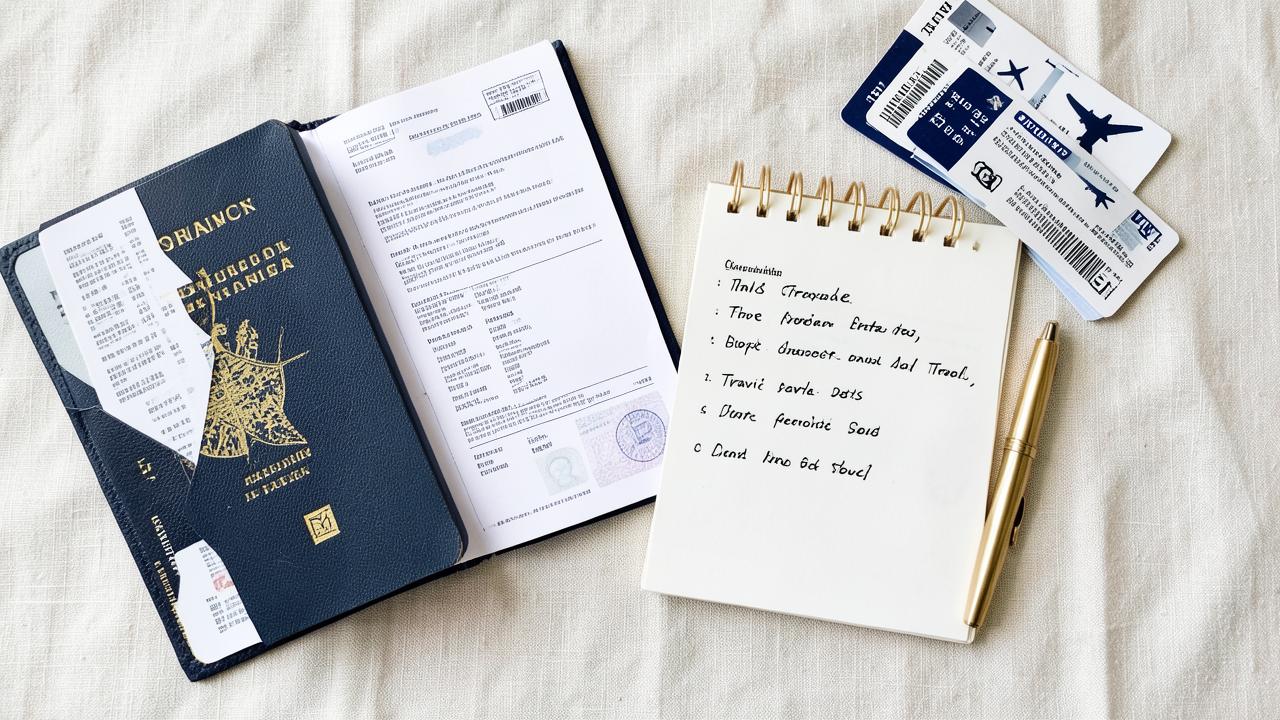
Short answer: yes — for many of the applications that matter most. UK visa and settlement applications routinely require your full travel history, including arrival and departure dates, destinations, and previous visas. Schengen stay calculations, US visa interviews (the DS-160 asks for all previous visits), and Canadian and Australian applications all lean on the same information. If you can't produce it, your application can be delayed or refused.
How many years? It depends on the application. UK settlement and citizenship routes commonly expect around ten years of travel. Long-stay visas and residency permits typically ask for five. Even tourist applications increasingly include a prior-travel section, because a record of compliant travel is one of the strongest signals that you'll leave when you're supposed to.
What counts as a complete history isn't vague — it's specific. Case officers want a chronological list: country of entry, entry date, exit date, the city or border you passed through, and the visa or permit you used. Vague entries like 'Europe, several times in 2023' are what cause follow-up requests and delays.
So where do you find all of this? Three sources, in order of reliability: your passports (every stamp is a dated entry or exit), your old tickets and booking confirmations (they pin down flights that never got stamped), and automated e-gate receipts for crossings that left no stamp at all. Reconstructing five or ten years from these is possible — and much easier if you kept everything in one place as you traveled.
This is where gaps bite. The trips people miss are almost always the same ones: short land-border crossings, weekend hops where no stamp was given, and layovers that turned into overnight stays. Laying your history out in one table makes those gaps visible while you can still fill them — from old emails, airline accounts, or your own notes — instead of explaining them to a caseworker.
One thing to be clear about: a travel record you compile yourself is a personal, self-reported log. It helps you prepare accurate, consistent answers, but it does not replace passport stamps, government records, or any document a consulate requests. Always check your final list against your own evidence before submitting anything.
If you want to see what a well-organized travel history looks like before you start, download the free TripoWay sample report below — it shows the exact format: chronological trips, entry and exit dates, totals, and a clear self-reported record notice. Then use TripoWay to build your own, and export it as a PDF or CSV whenever an application asks. And if your plans include Europe, our Schengen 90/180 guide explains how those same dates determine how many days you have left.
See the sample for yourself
Download the free TripoWay sample travel report and preview the format before building your own history.
Keep reading
- Visa Prep Made Easy with a Travel Itinerary Scanner
See how a boarding pass scanner builds your complete travel itinerary automatically, so visa prep takes minutes instead of weeks of digging through old emails.
- What Is the TripoWay Sample Travel Report?
Download a free sample travel report and see how a self-reported trip log can support your visa, residency, or citizenship application.
- Schengen 90/180 Rule Explained: Track Your Days in Europe
Understand the Schengen 90/180 day rule, how the rolling window works, and the easiest way to track your days across Europe without overstaying.